William James Barbee
1816-1892
(need photo)

The Life Of W. J. Barbee
William James Barbee (July 14, 1816 – 1892) was a physician, educator, author, and prominent preacher in the Restoration Movement, whose long and varied career blended scholarship, ministry, and public influence across the American South and Midwest.
Born to Thomas Barbee (1786-1821) and Alice Bickerton Winston Barbee (1786-1869), in Winchester, Kentucky, William was reared in a strict Presbyterian environment and received a strong early education. He attended Miami University in Oxford, Ohio, and then studied medicine under the noted Dr. Daniel Drake in Cincinnati. He earned his M.D. in 1836 and practiced medicine for about ten years. During this period, however, he underwent a profound religious change. Through personal Bible study and the influence of Restoration preachers, he became dissatisfied with sectarian divisions in Christianity. In 1840 he was baptized in Cincinnati by James Challen, and soon afterward resolved to devote his life to the ministry. By 1844 he had begun preaching, gradually leaving his medical practice behind.
Barbee's early years in ministry were closely tied to education. From 1844 to 1846 he lived in Franklin, Tennessee, where he conducted a Female Academy originally founded by Tolbert Fanning, a leading figure in the Restoration Movement. This experience marked the beginning of a lifelong dual vocation as both preacher and educator.
Over the decades that followed, Barbee labored widely in Kentucky, Tennessee, Mississippi, and Texas, preaching, teaching, and establishing schools. He became known as a clear, logical, and eloquent speaker, as well as a thoughtful advocate of New Testament Christianity. His work included a significant pastorate at the Linden Street Christian Church in Memphis (1855–1862), along with extensive evangelistic efforts in both established and frontier regions.
Education remained a central part of his life. After leaving medicine, Barbee devoted himself increasingly to teaching and academic leadership. He served in various institutions and was at different times president of two colleges. In 1874 he accepted a professorship of Natural Sciences and Ancient and Modern Languages at Christian College in Columbia, Kentucky, reflecting his broad intellectual interests and scholarly reputation. He also operated academies and helped train many students, emphasizing thoughtful engagement over rote learning.
Barbee's intellectual pursuits extended well beyond theology. He gave considerable attention to natural science, particularly geology. He authored a substantial textbook, The First Principles of Geology (1868), a work of over 500 pages designed for use in high schools and colleges. The book treated geology in both its physical and moral aspects, and demonstrated its applications to fields such as agriculture, mining, and engineering. His scientific standing was further recognized by his membership in the American Association for the Promotion of Science.
In addition to his books, Barbee was a prolific writer. For more than twenty-five years, he contributed to religious, literary, and scientific journals. In 1869, while living in Senatobia, Mississippi, he joined other church leaders in launching a religious paper called the Christian Unitist, published in Crystal Springs, Mississippi. Though the paper survived only about a year, Barbee was regarded as one of its strongest contributors—"a man of fine attainments" who "wields a graceful pen." From 1870-1873 he served as a trustee for Bethany College, West Virginia.
Barbee also entered challenging mission fields later in life. In November 1886, he began preaching in San Antonio, Texas, which he famously described as a nineteenth-century Athens, "wholly given to idolatry." Confronted by internal division among believers and widespread indifference in the community, he found the work exceedingly difficult. After about a year of labor, he left in December 1887, calling it one of the hardest fields he had ever encountered.
In his personal life, Barbee married Mary Jane Matthews in 1852, the daughter of the prominent preacher and statesman James E. Matthews. She was a gifted educator and musician who worked alongside him in his schools and academies. Together they raised eight children: James Thomas Barbee (1853-1918); Alice Jane Barbee (1855-1894); Susan "Susie" B. Frank (1858-1953); Effie B. Barbee (1862-????); Millie Barbee (1864-????); Charley Barbee (1867-????); Edward Biggerton Barbee (1868-1941); and Paul Challen Barbee (1873-1926). Their partnership was marked by shared devotion to education, ministry, and family life. After her death in 1884, Barbee continued his work, though with advancing age.
Those who knew Barbee remembered him as a man of broad culture, strong intellect, and deep moral conviction. He was a fluent and often extemporaneous speaker, a disciplined thinker, and a teacher who challenged students to truly understand rather than merely repeat. He combined scientific curiosity with religious faith, and literary skill with practical leadership.
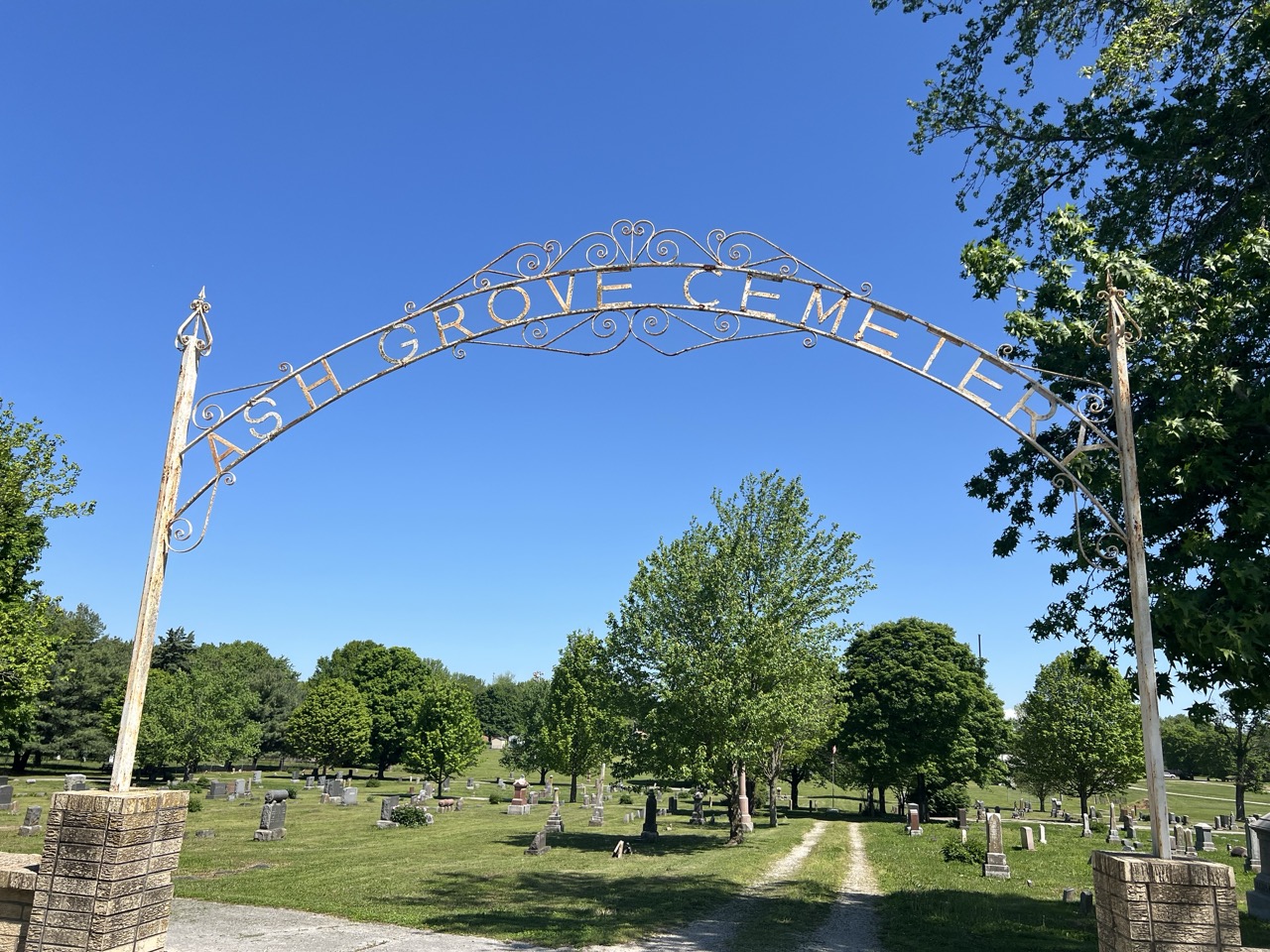
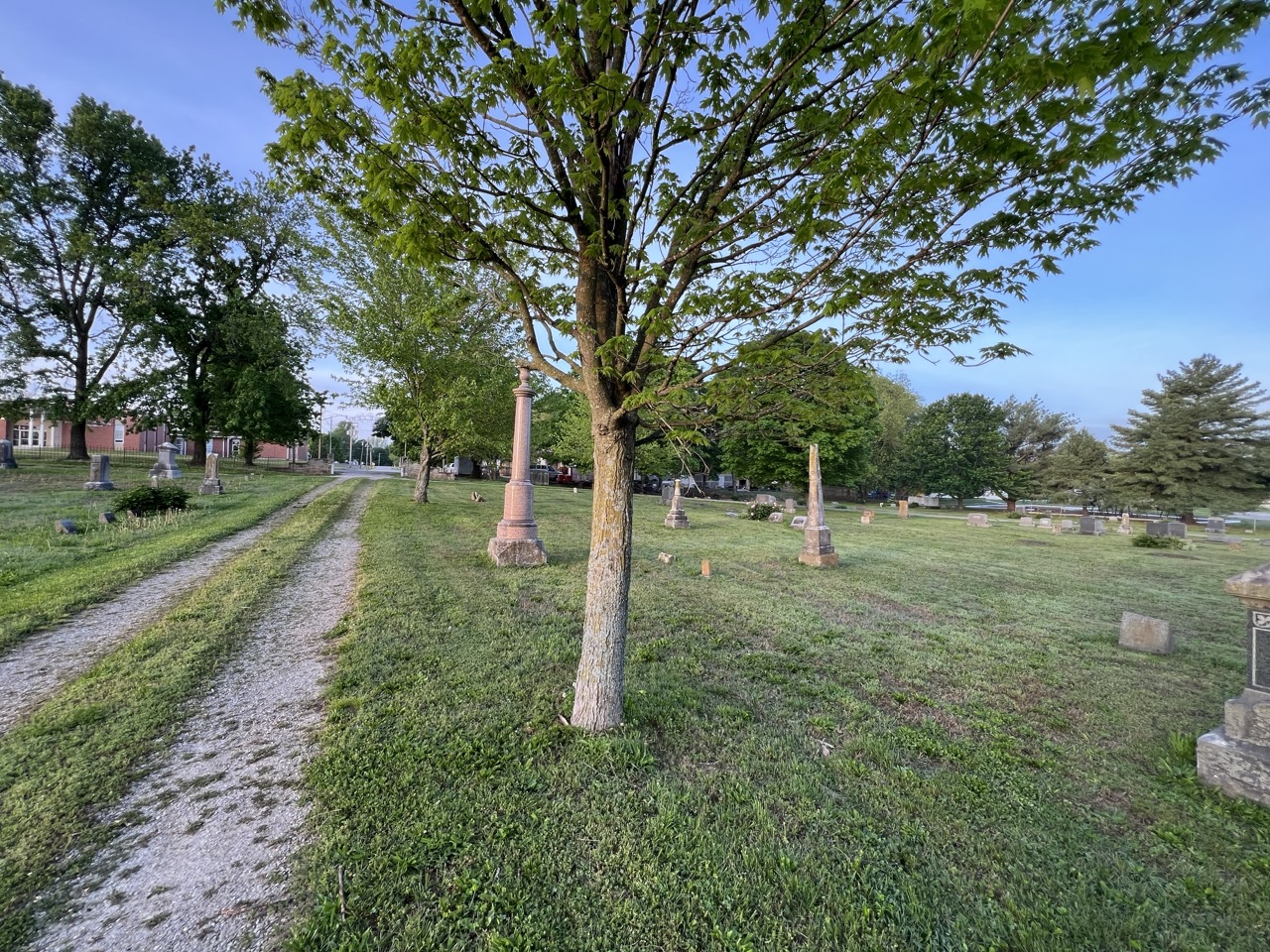
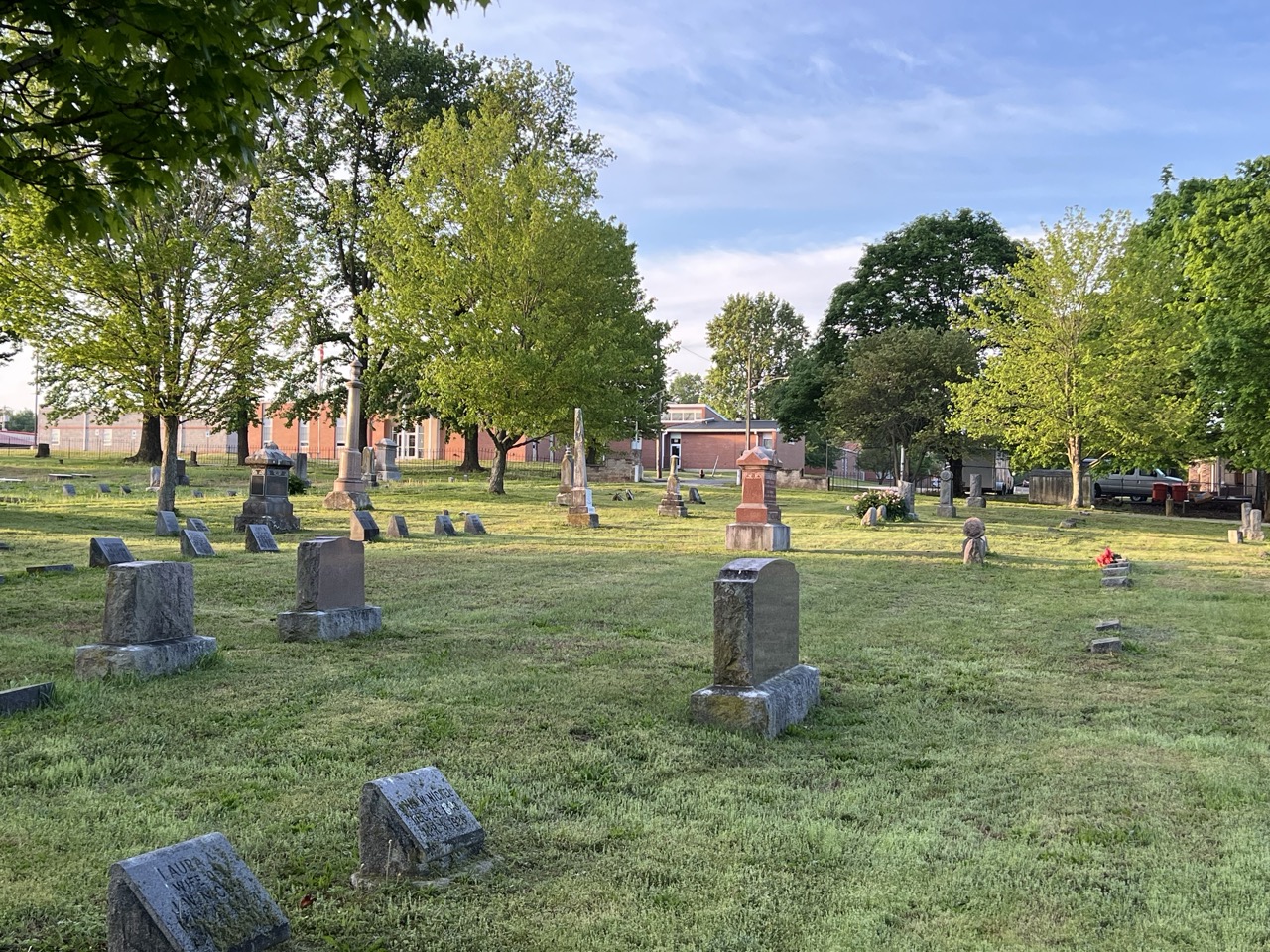
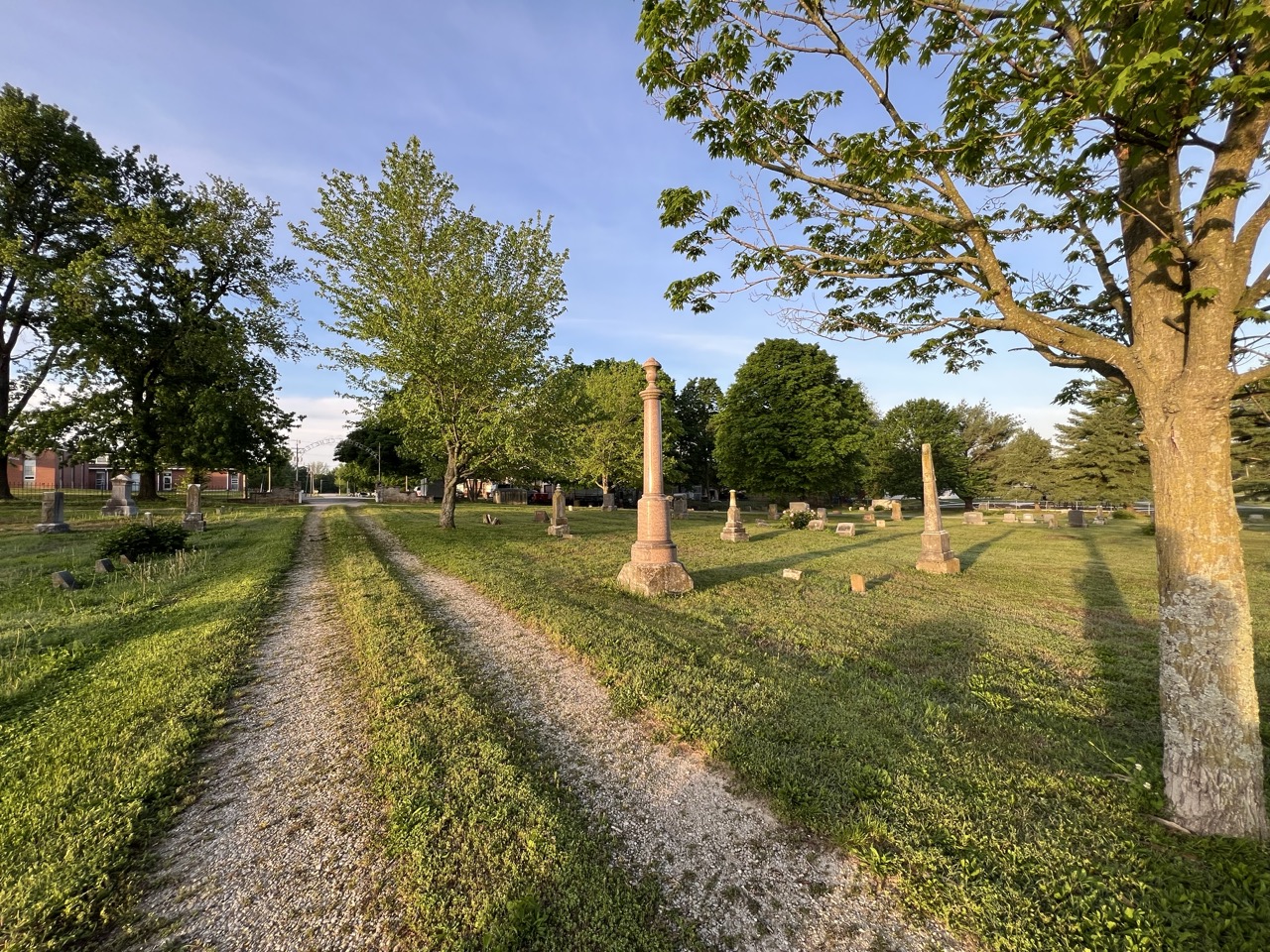
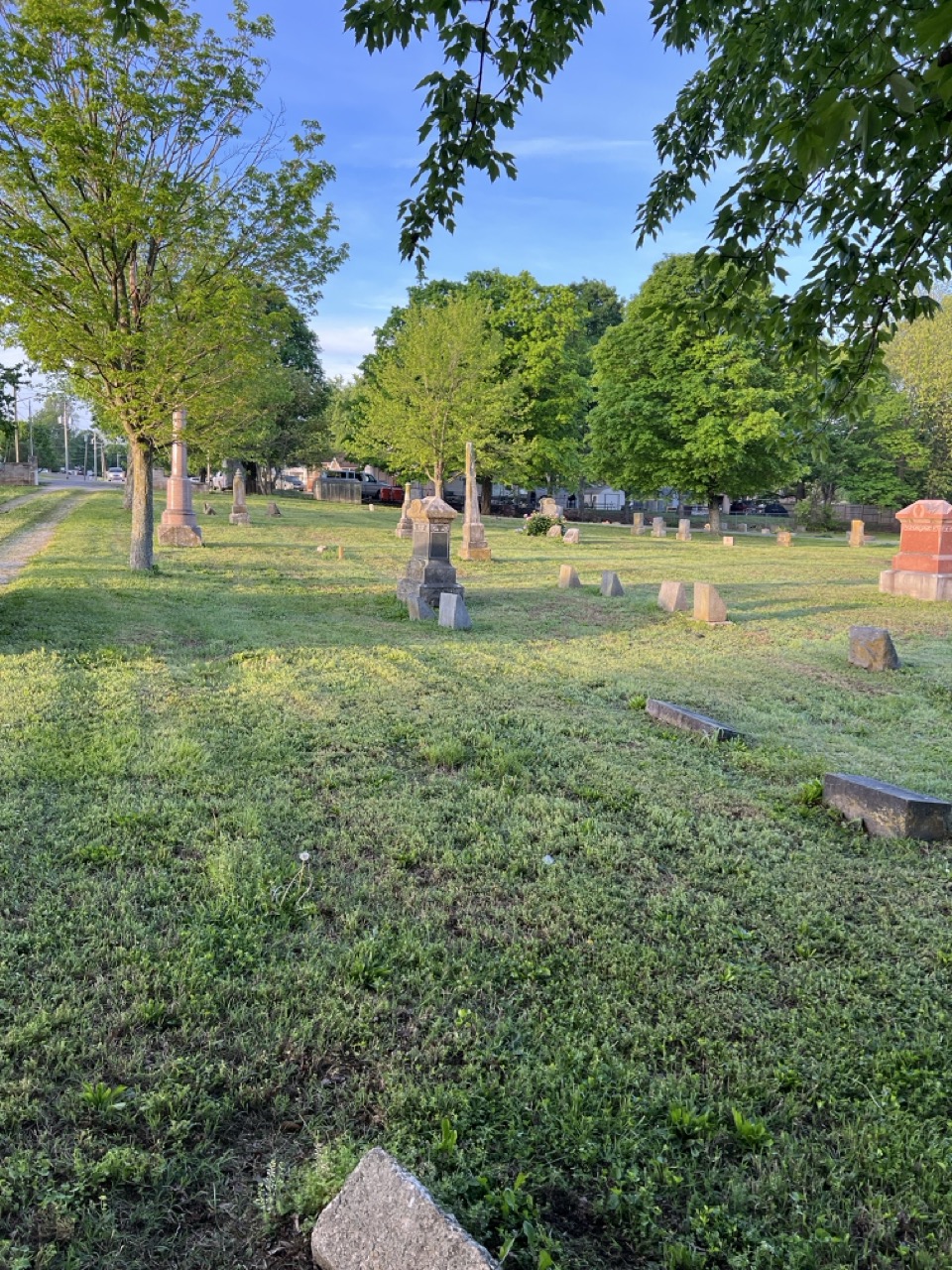
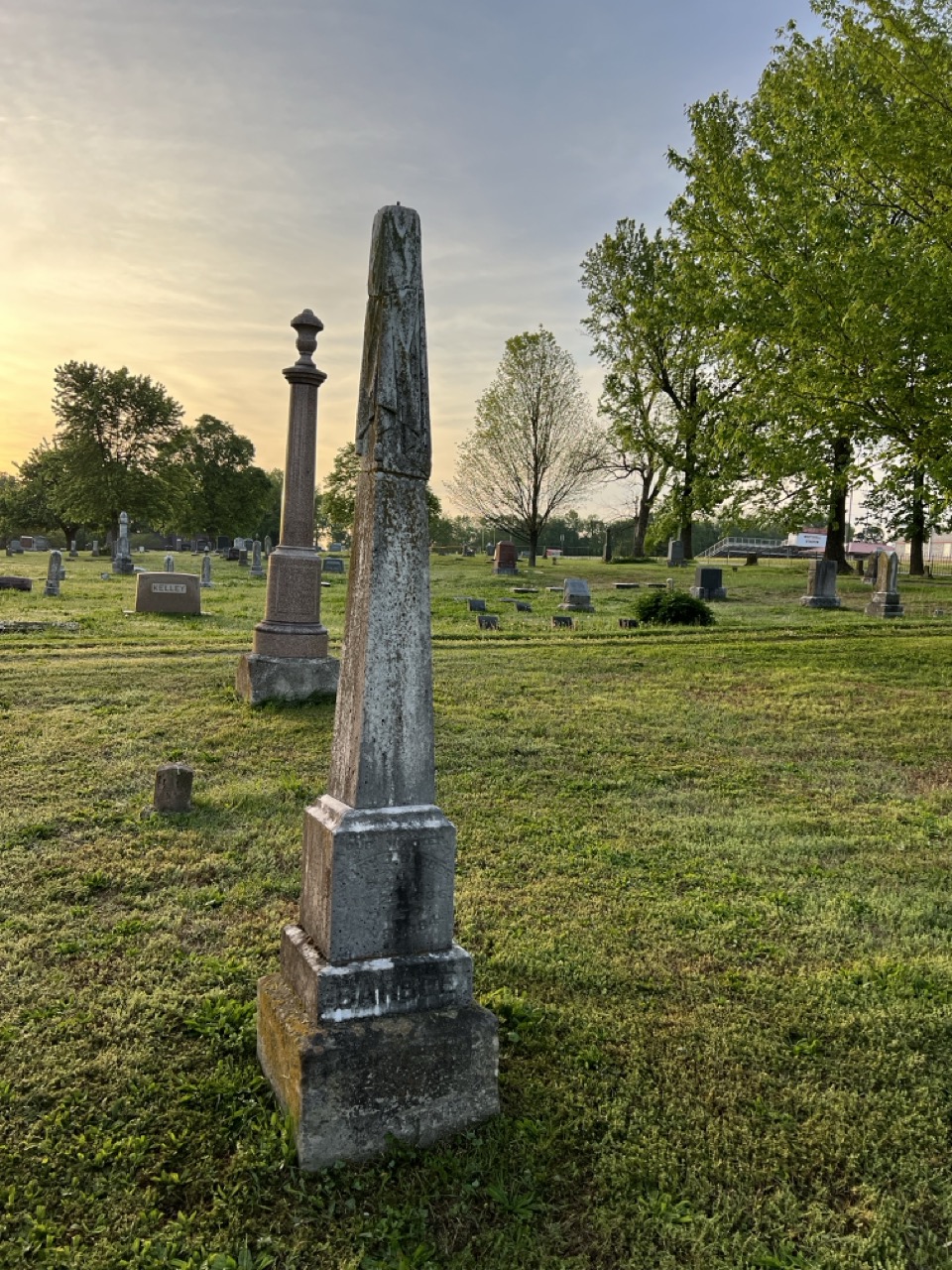
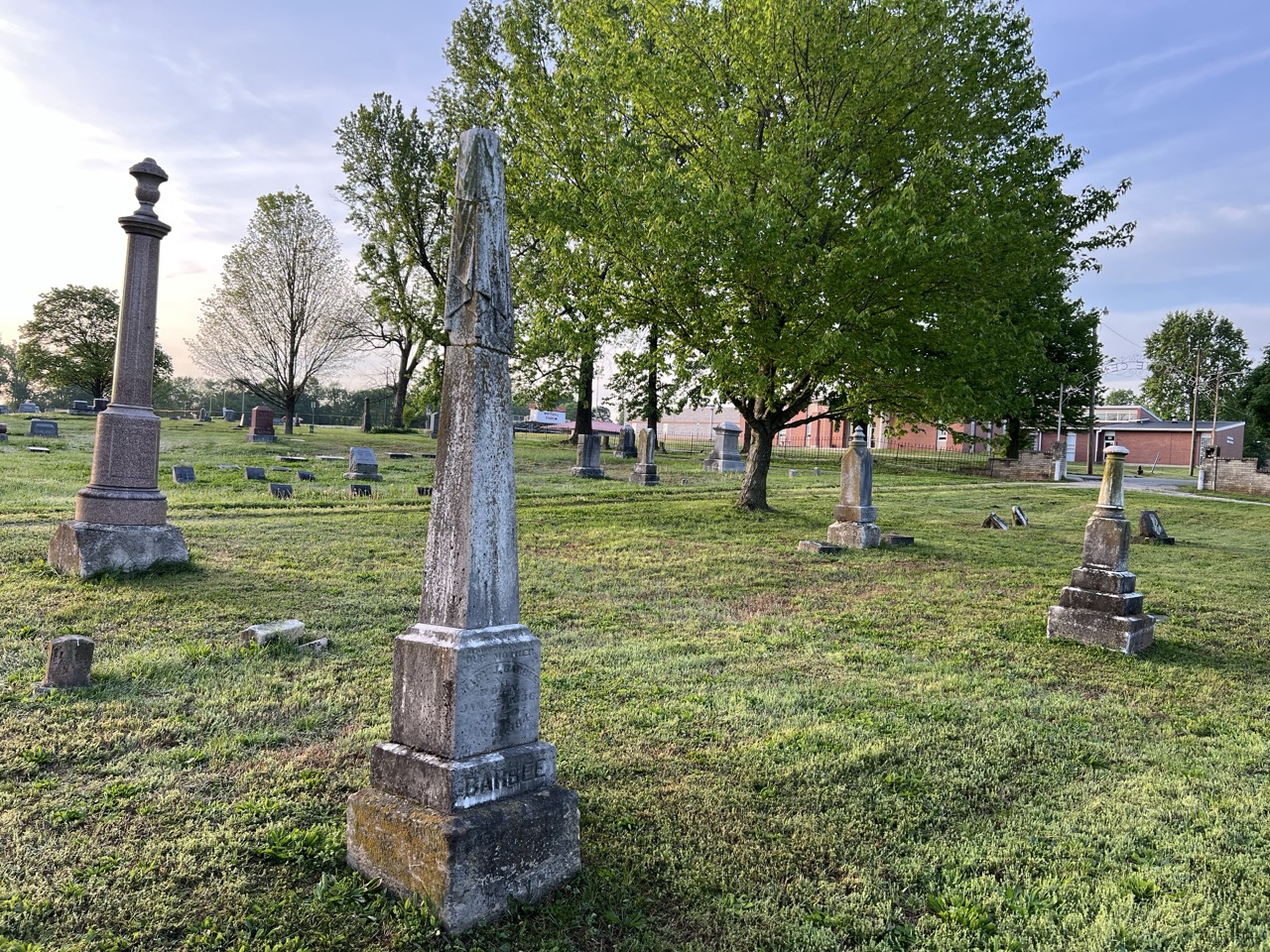
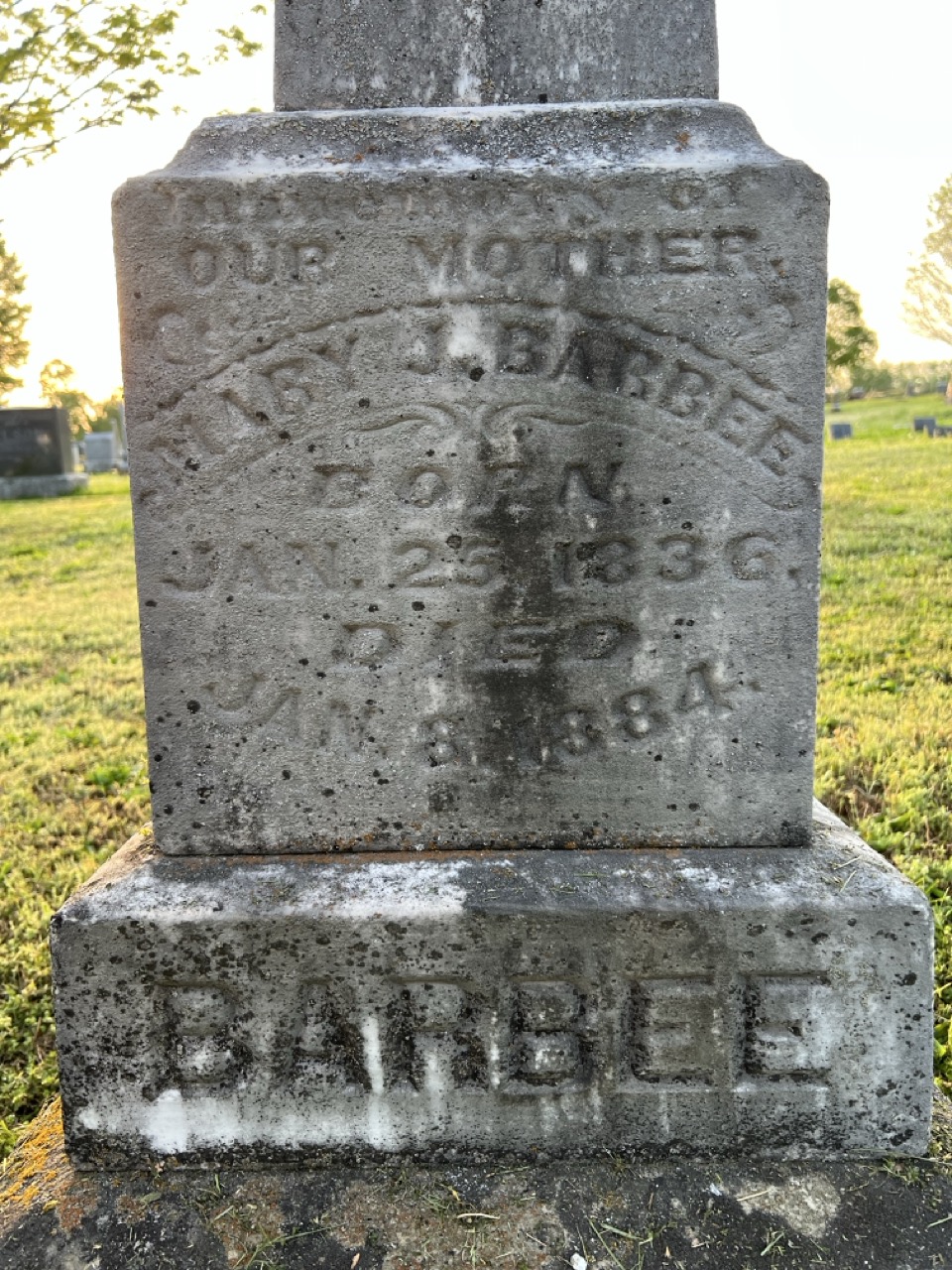
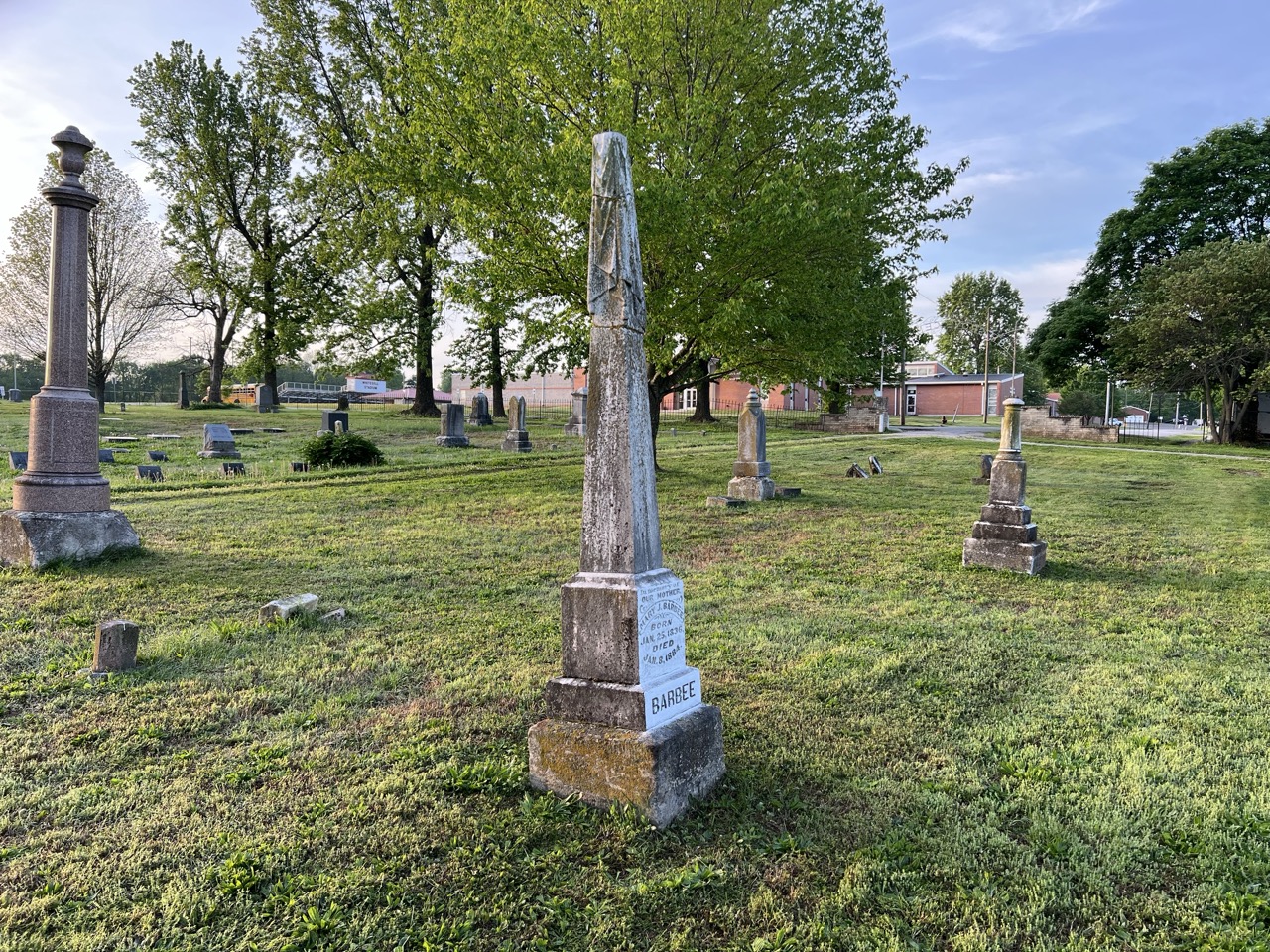
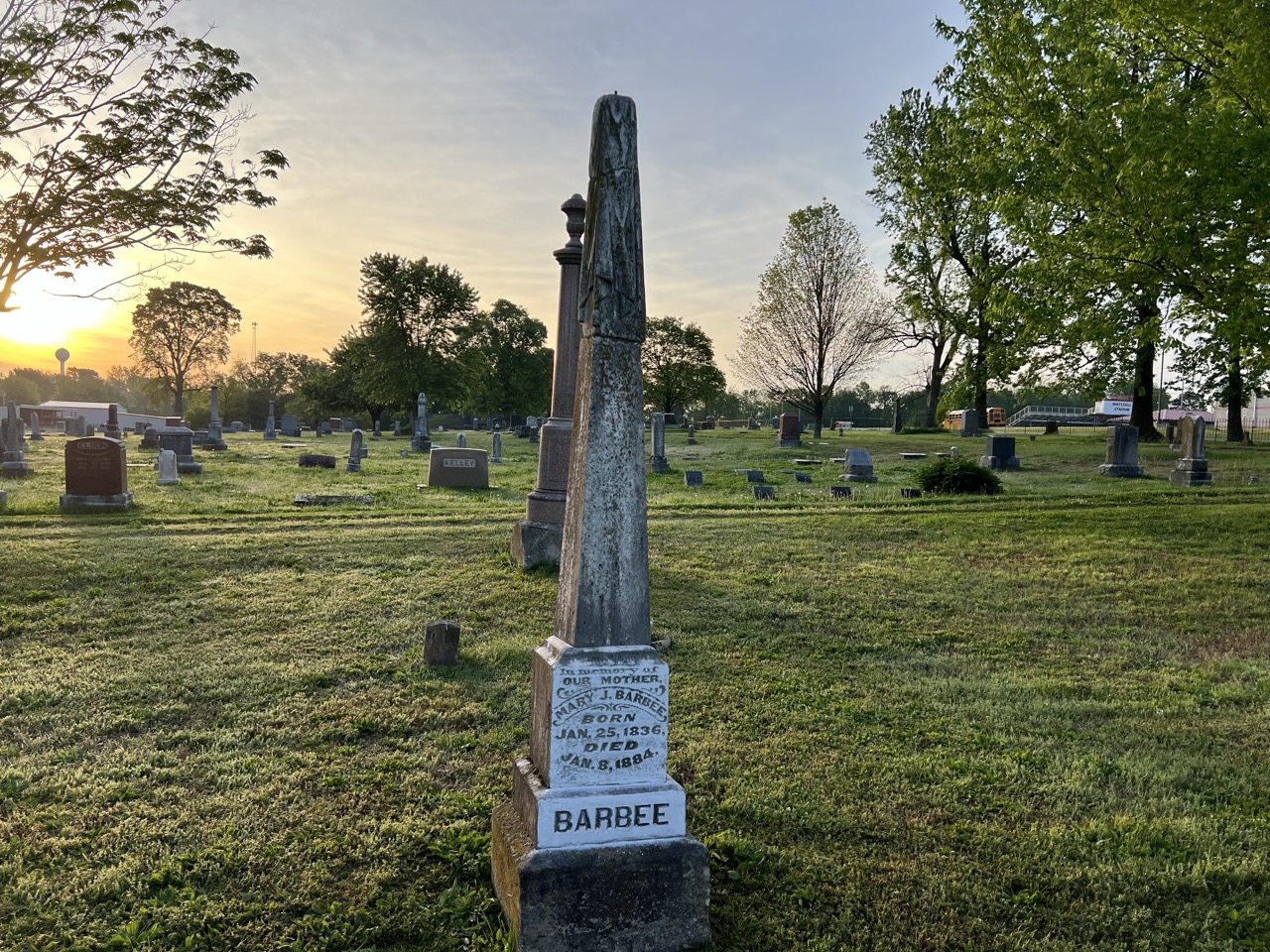
In his later years, Barbee resided in Ash Grove, Missouri, continuing to preach and write as his strength allowed. It was there that his 32 year marriage came to a sad end, when his Mary Jane passed away, January 8, 1884, at the young age of 48. In 1892, after attending a national convention of the Disciples of Christ in Nashville, he traveled to Kentucky to visit family, where he fell ill and died shortly thereafter. His body was sent back to Ash Grove for burial. Sadly, the grave is unmarked to this day, but his body lies beside a beautiful monument to his devoted wife, (photos below).
William J. Barbee's life stands as a remarkable example of intellectual versatility and spiritual dedication. Physician turned preacher, scientist and educator, author and evangelist—he left a lasting legacy in both the educational and religious life of the 19th-century American frontier.
-Scott Harp, 03.23.2026
Biographical Sketch of William J. Barbee
Born: Winchester, Kentucky, July 14, 1816.
Died: 1892.
WILLIAM J. BARBEE was born in Winchester, Kentucky, July 14th, 1816. He was educated at Miama [sic] University, Oxford, Ohio. He studied medicine with Dr. Drake in Cincinnati, and took the degree of M. D. in 1836. He practiced for ten years, and then turned his attention to teaching, and has since been president of two colleges. He was baptized in Cincinnati, by Bro. James Challen, in 1840. In 1844 he commenced preaching.
During the four score years of his ministry, he has labored chiefly in Kentucky, Tennessee, Mississippi, and Texas. He preached for the church at San Antonio till recently, when he removed to Ash Grove, Missouri, where he now resides.
Dr. Barbee has given attention to several departments of natural science, and is known to many as the author of an elementary work on geology, and of a treatise on the cotton question. He has for twenty-five years been a contributor to numerous journals, literary, scientific, and religious.
Text from Scott, Laurence W. (editor), Texas Pulpit by Christian Preachers. St. Louis: Christian Publishing Company, 1888. Pages 386-387. This online edition © 1996, James L. McMillan.
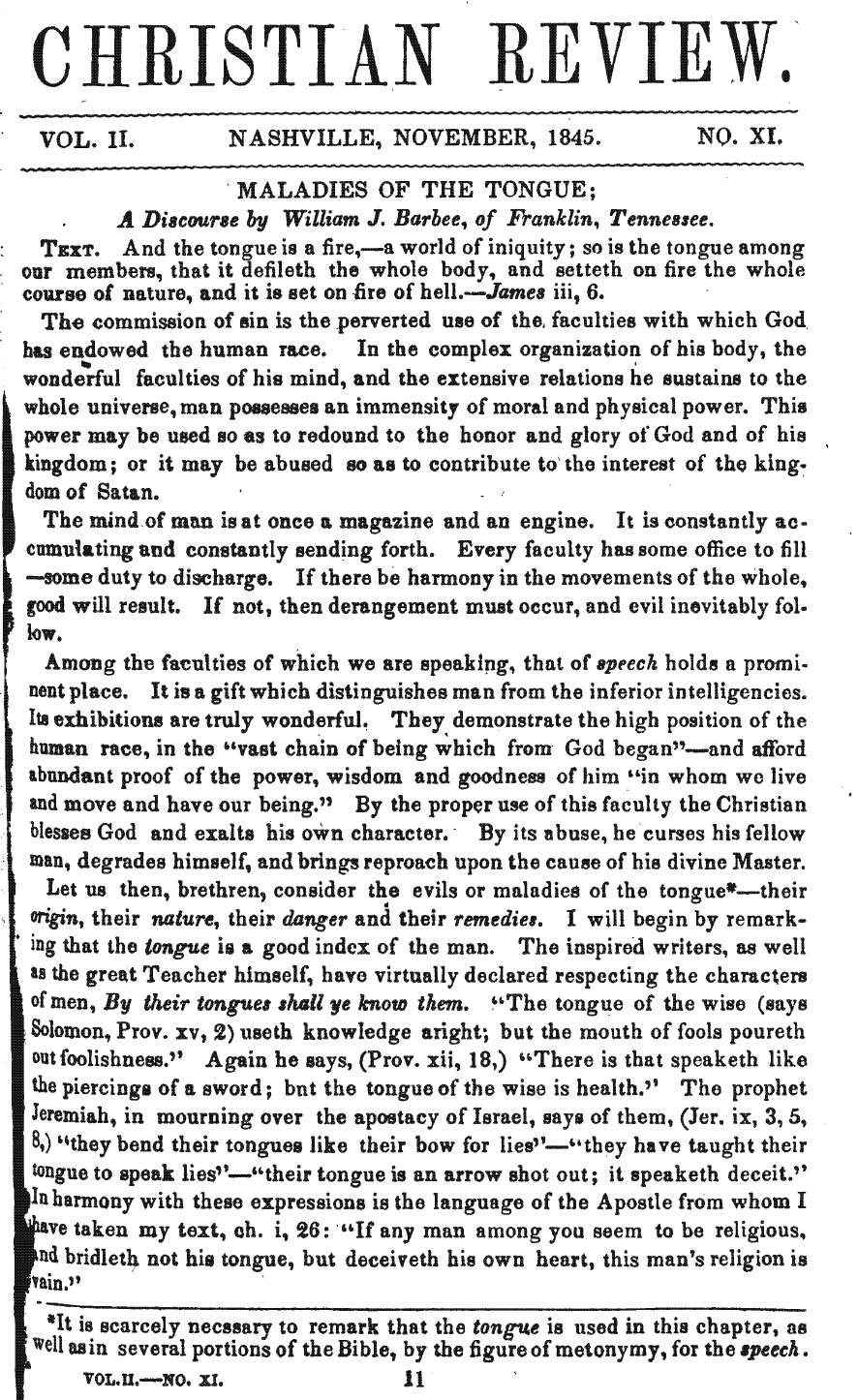
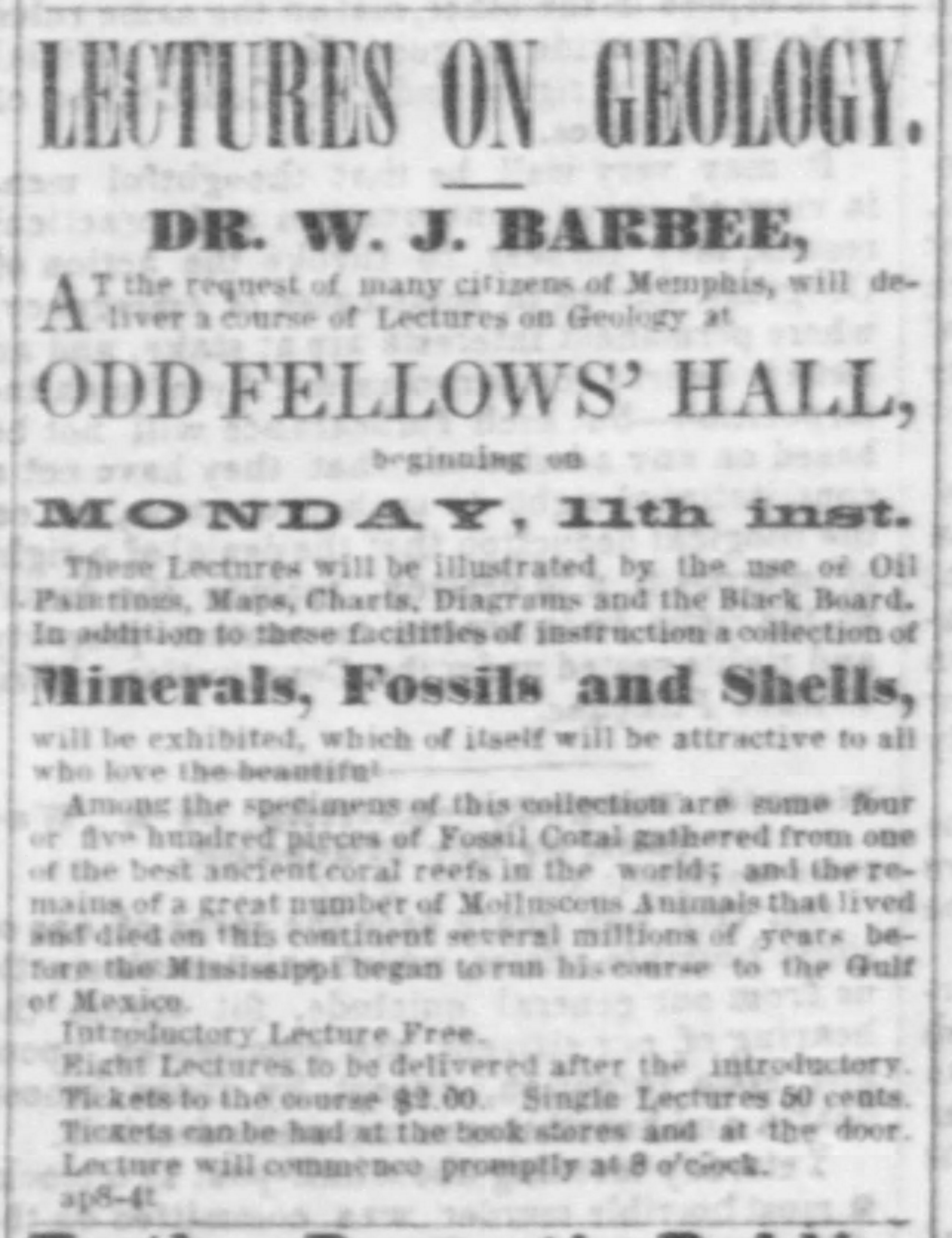
Memphis Daily Appeal, Memphis, Tennessee
Tuesday, April 12, 1859,
p.2.
Cert of Disability - Civil War
State Christian Church Meeting Report by W. J. Barbee
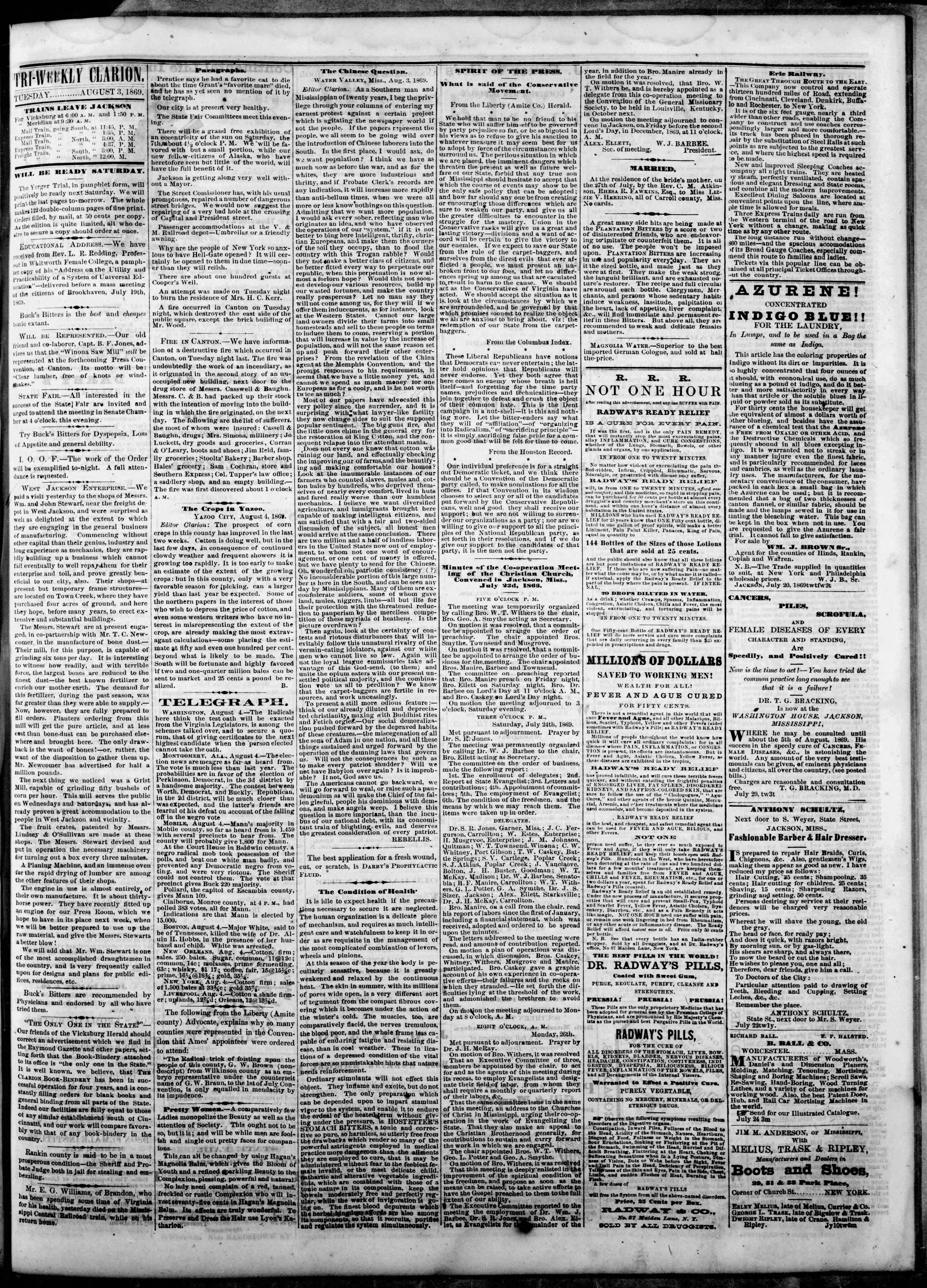
Tri-Weekly Clarion, Meridian, Mississippi
August 5,
1869, p. 3
4th Column - Center
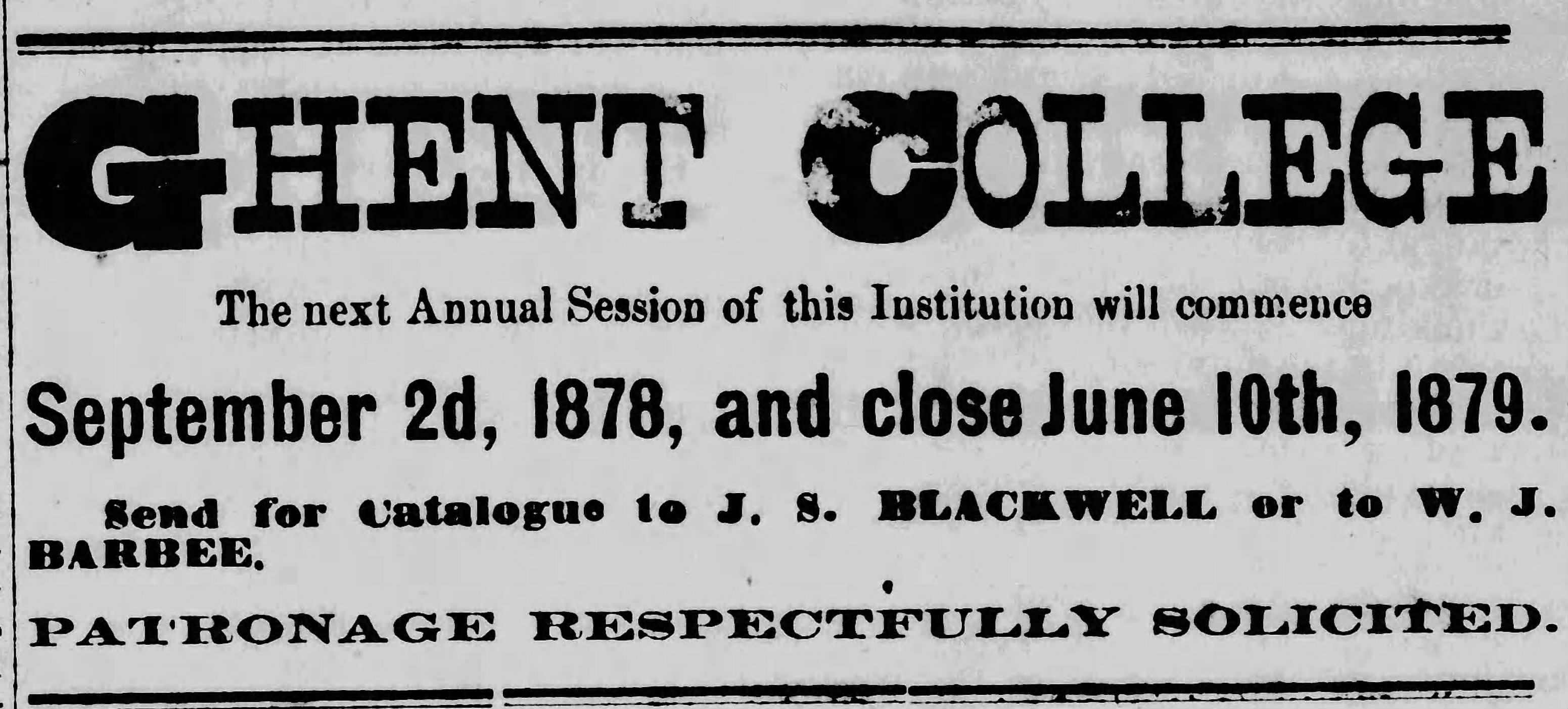
The News Democrat, Carrollton, Kentucky
August 31, 1879, p.8
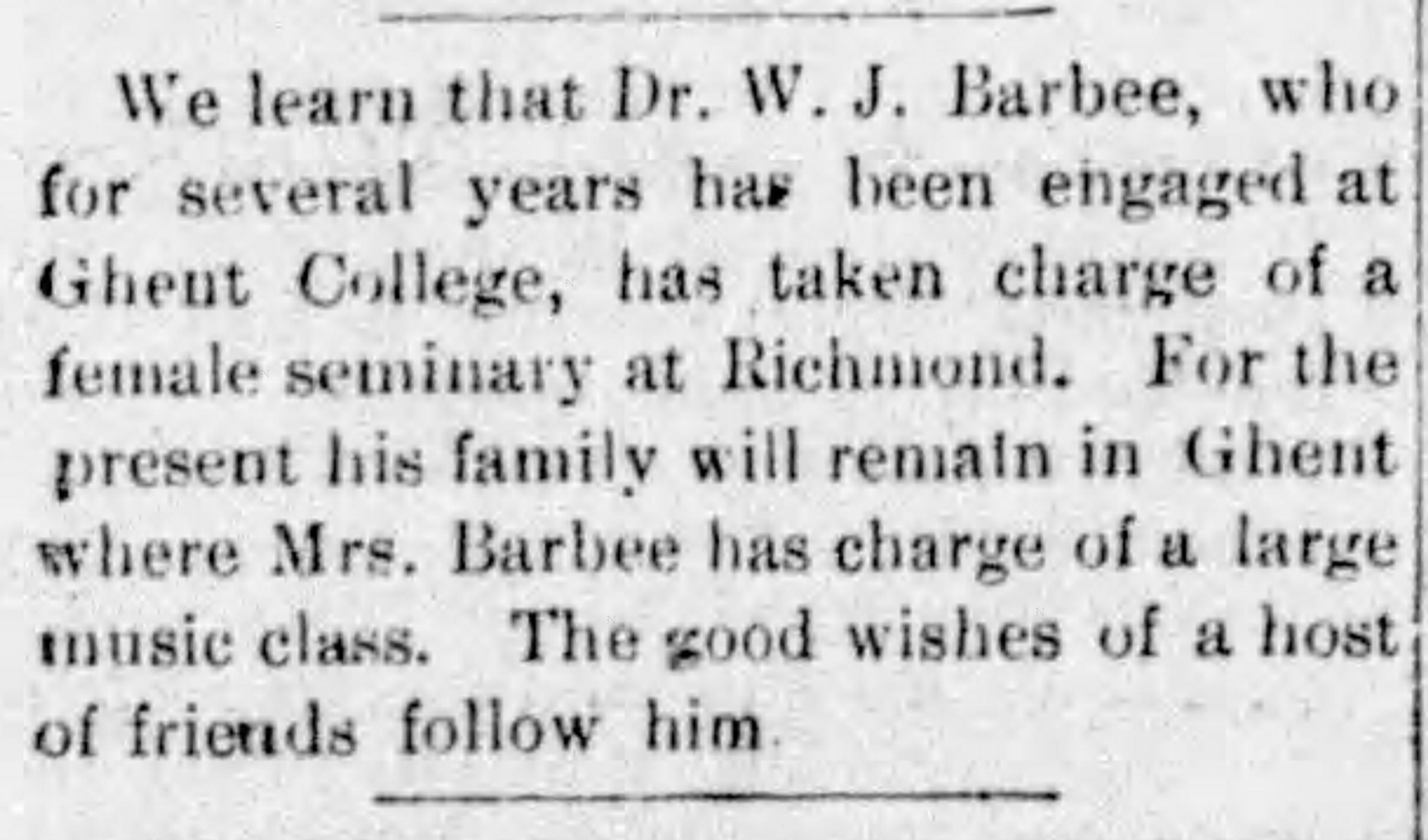
The News Democrat, Carrollton, Kentucky
September 18, 1880, p. 5.
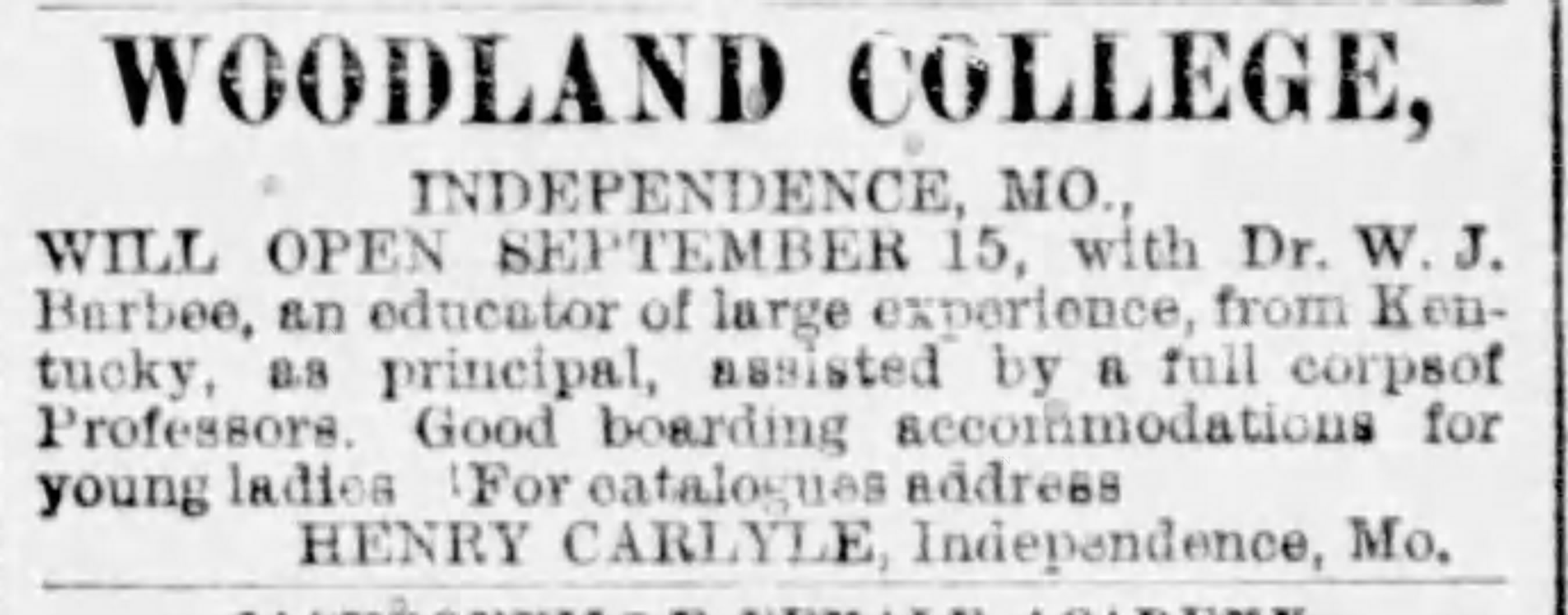
The Kansas City Times, Kansas City, Missouri
September 5, 1882, p.3.
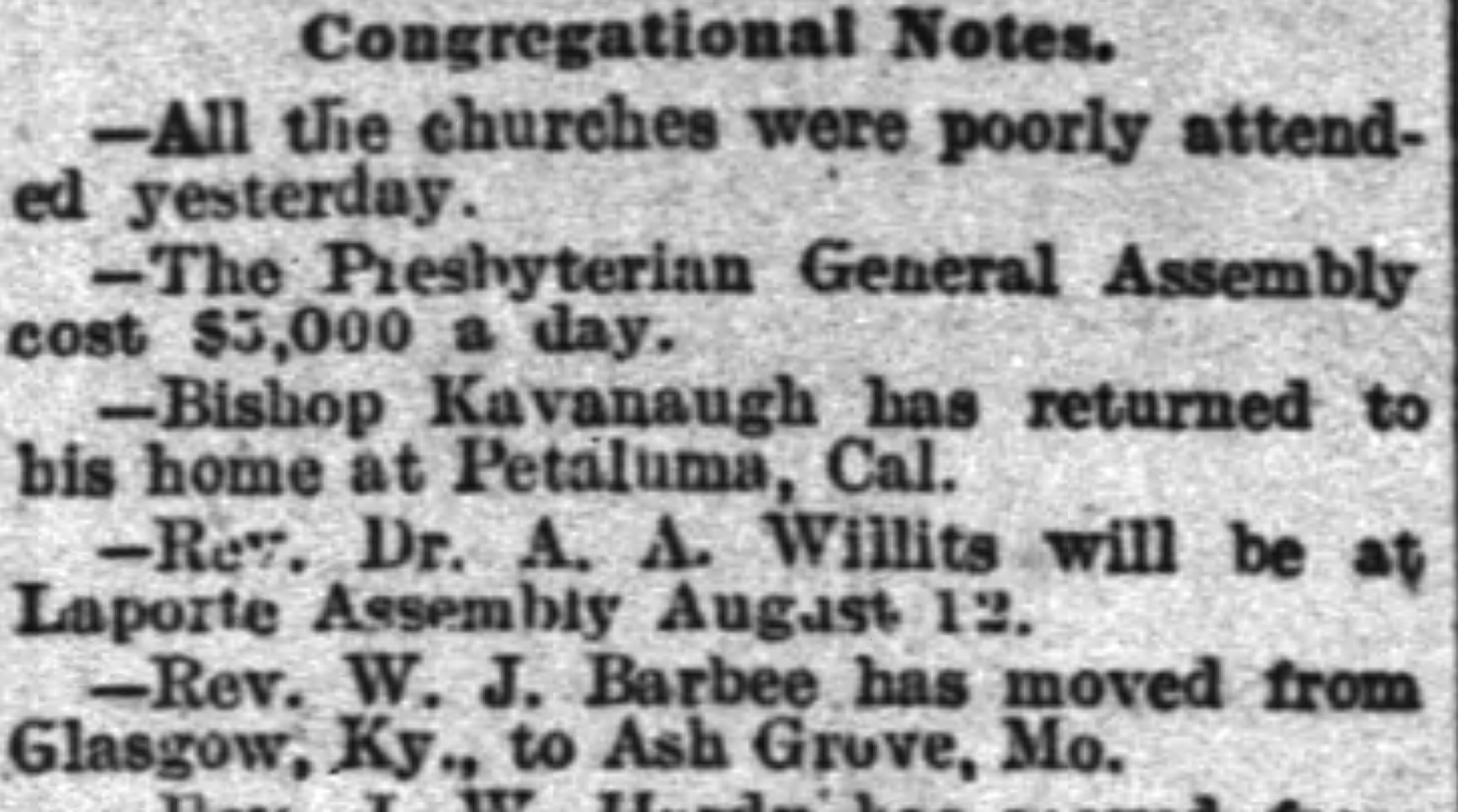
The Courier Journal, Louisville, Kentucky
Monday, June 16, 1890, p.8.
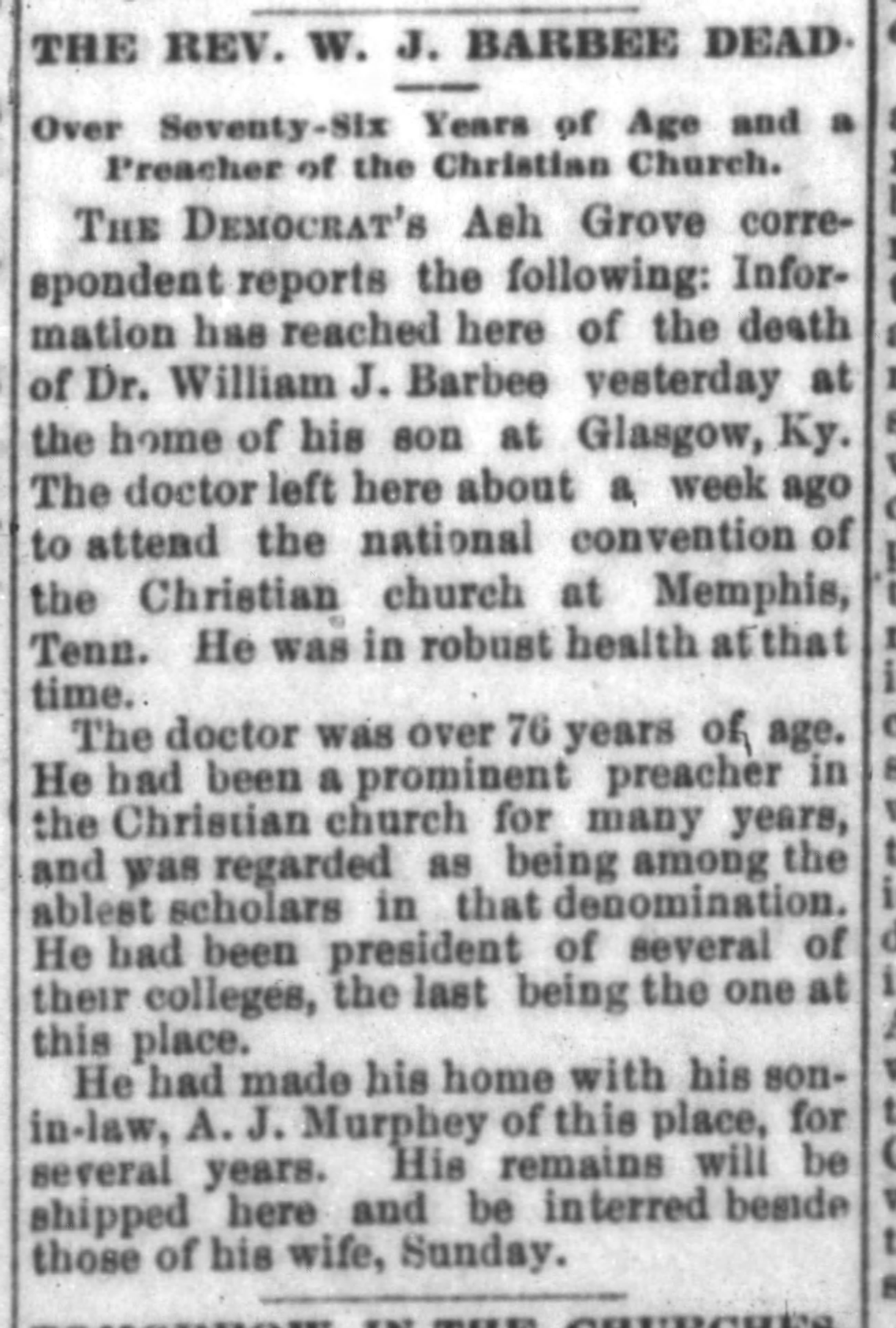
The Springfield Democrat, Springfield, Missouri
October 29
1892, p.3.
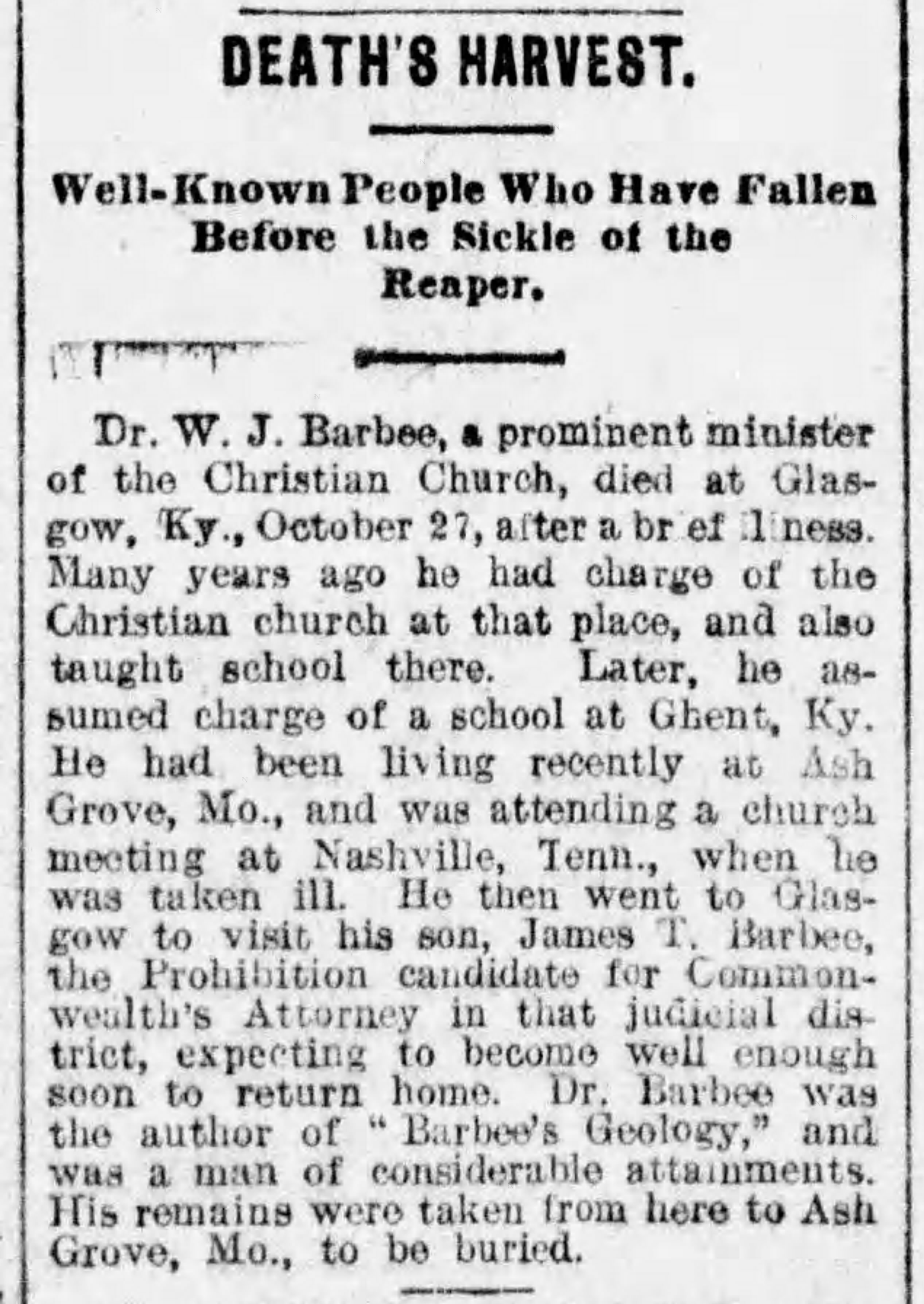
Weekly Courier Journal, Louisville, Kentucky
October 31, 1892, p.2.
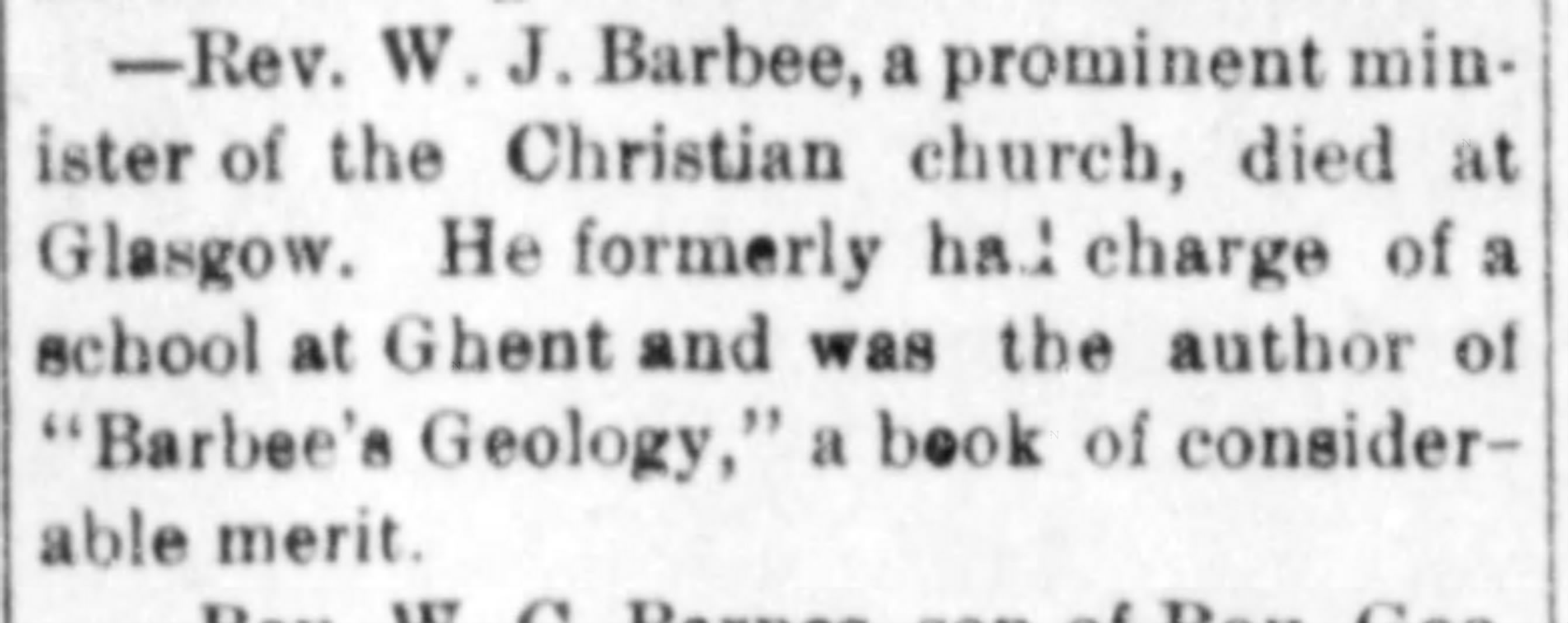
Interior Journal, Stafford, Kentucky
Tuesday, November 1, 1892, p.3.
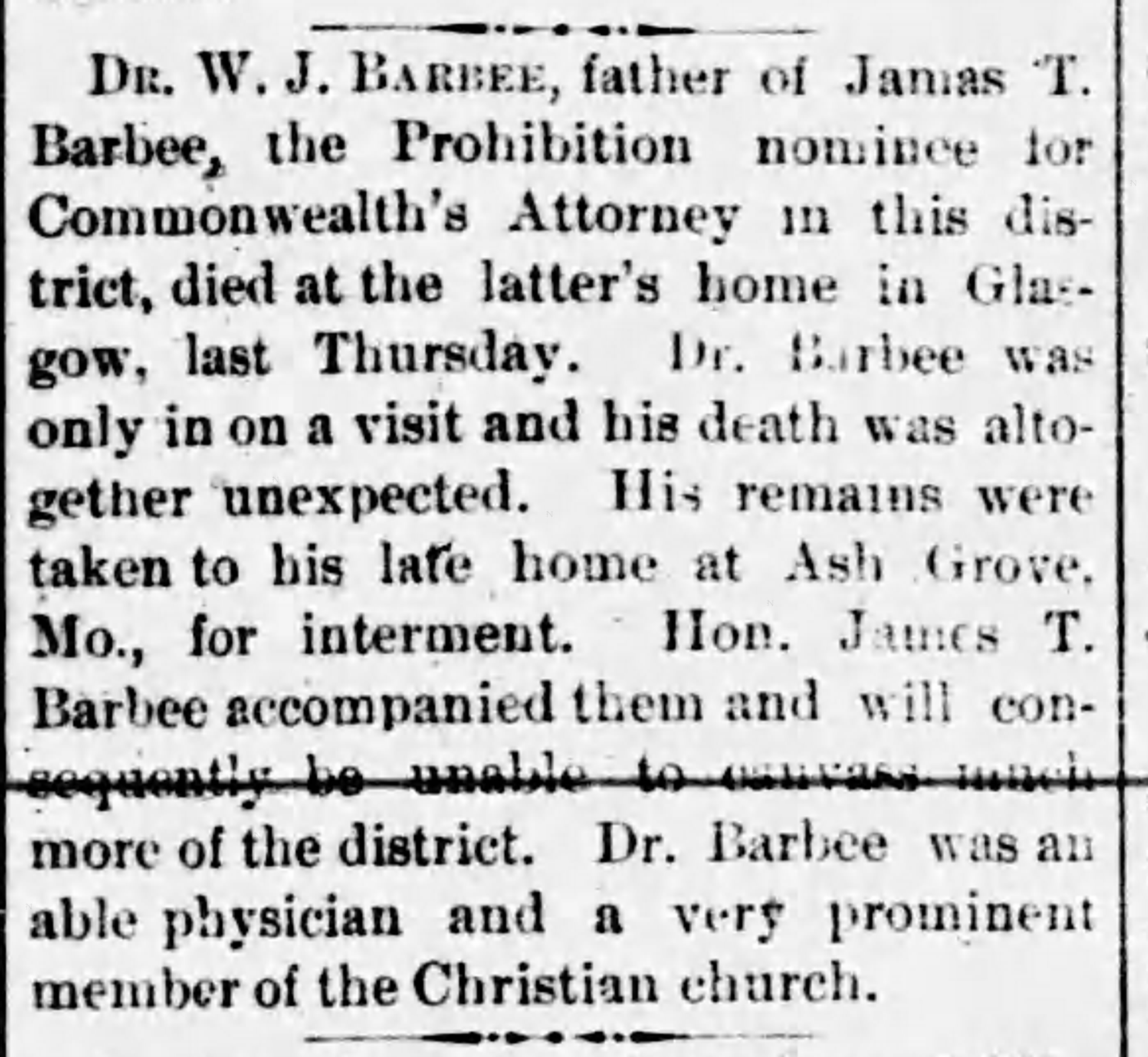
The LaRue County Herald News, Hodgenville, Kentucky
November 3, 1892, p.3.
Directions To Grave
William J. and Mary Jane Matthews Barbee are buried in the Ash Grove Cemetery in Ash Grove, Missouri. Several miles northwest of Springfield, Head out of Springfield on Hwy. 160. about 21 miles. In town turn left on N. Maple Ln. You will pass the new part of the cemetery on the right. Head to the top of the hill and Ash Grove Jr & Sr. High School will be straight ahead of you. As the road turns to the right, the school will be on your left and the old part of the cemetery on the right. At the end of the drive you can turn left into the school or right into the cemetery. Enter the cemetery. Drive down the drive about half way before the road turns and stop. Enter the cemetery on your left. As Mary Ann died in 1884, a marker was never purchased for W. J. Barbee who was buried next to her. (See photos and GPS below for exact grave location).
GPS Location
37°18'58.6"N 93°34'41.8"W
or D.d. 37.316278, -93.578278
Mary Jane Matthew Barbee
(Daughter of James E. Matthews)
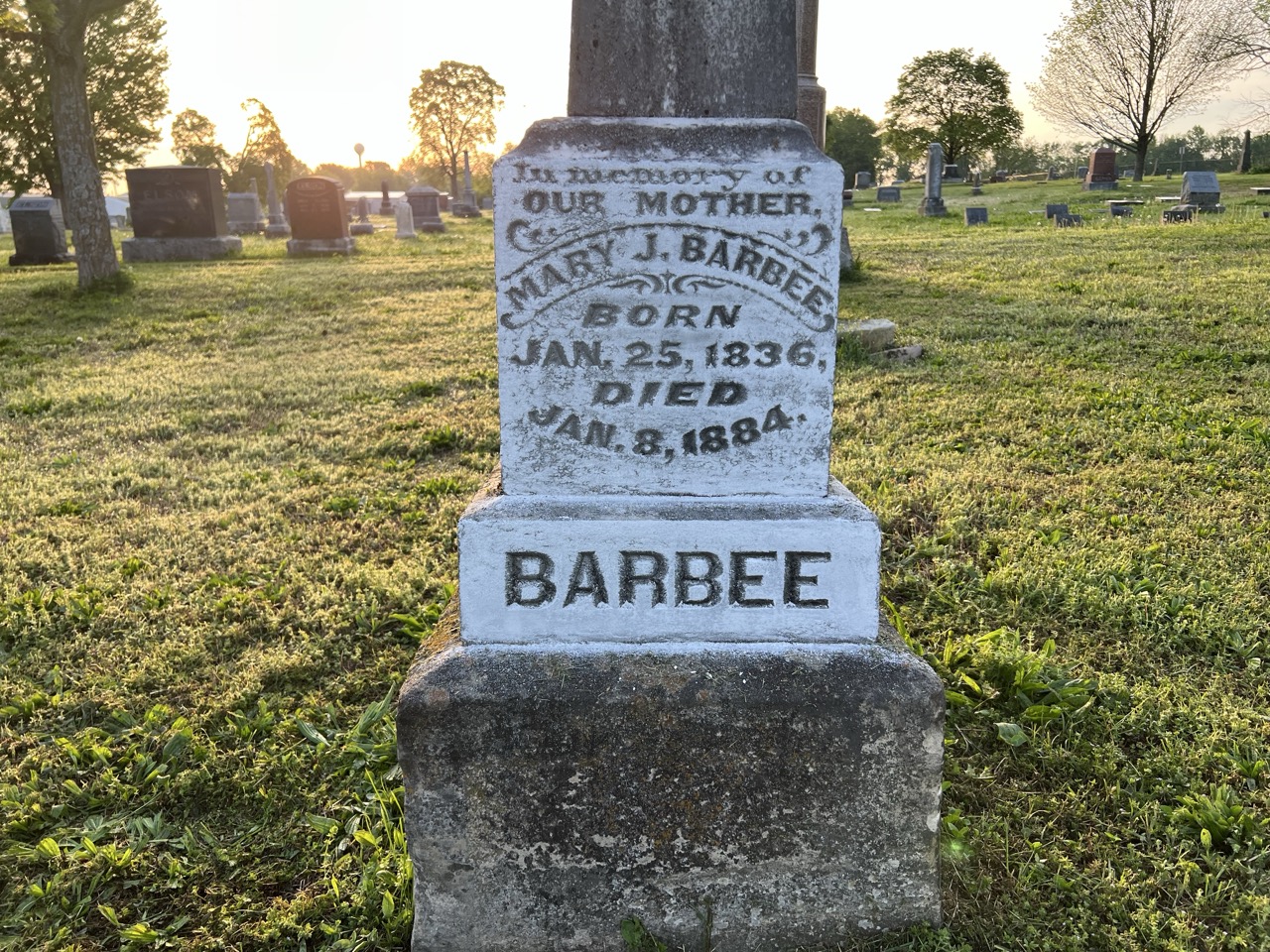
In Memory Of
OUR MOTHER
Mary Jane Barbee
BORN
Jan. 25, 1836
DIED
BARBEE
Photos Taken - 05.06.2025
Webpage Produced - 03.21.2026
Courtesy Of Scott Harp
www.TheRestorationMovement.com
Special Recognition: I first heard the name W. J. Barbee over 30 years ago when I was a student at International Bible College (now Heritage Christian University). C. Wayne Kilpatrick taught my Restoration History classes and introduced us to James E. Matthews having been an early gospel preacher who preached within just a few miles of the campus of our school; how he had baptized the great Tolbert Fanning in the fall of 1826. Matthews' daughter Mary Jane was married to a preacher by the name of W. J. Barbee, a great church leader and educator known by many among churches of Christ.
Finally, after such a long time, in the spring of 2025 I was preaching a gospel meeting in Lebanon, Missouri. During the meeting, I'd get up early and travel to different locations where Gospel Preachers of yesteryear were buried. I recall going to Ash Grove, Missouri, nearly 100 miles away from Lebanon, where I walked the entire cemetery and never found Barbee's grave. I was sick about it, but I was sure he was buried in the cemetery there. That night after the meeting I went back to the motel and looked on Findagrave.com and found a picture of Mary Jane's grave in that cemetery. So, the next morning I drove back to Ash Grove and this time with a photo, I found the grave. Sadly, a marker for brother Barbee was never placed there. It would be nice to have one, but we have featured the location here. - Scott Harp